As we grow older, staying connected with our loved becomes more important than ever. For most seniors, socializing and having companionship are not just enjoyable, they’re essential for maintaining good health and a high quality of life.
Unfortunately, most of our seniors face social isolation, which can lead to loneliness, depression, and even physical decline, making companionship for seniors, a crucial topic in homes.
In this post, we’ll discuss why socialization and companionship are so important for seniors, and how families and caregivers can help create opportunities for meaningful connections at home.
Why Socialization Matters for the Elderly
Socializing is not only about chatting with friends over a cup of coffee or joining a group activity. It’s an essential part of staying mentally and emotionally healthy, especially as we age.
Here’s some reasons why socializing matters so much for our seniors:
Helps Prevent Loneliness
Loneliness is one of the biggest challenges many seniors face. As friends and family move away, or as physical limitations make it harder to step out, social connections can begin to fade.
But isolation is not merely a minor inconvenience. It can have serious effects on health. Seniors who stay socially engaged are less likely to feel lonely or depressed, and they often report feeling happier overall. And this can lead to improved health and longevity.
Keeps the Brain Active
Regular social interaction is a great way to keep the brain sharp. Conversations, engaging in social activities, and simply being around other people help keep the mind active and alert.
According to the Center for Disease Control, staying socially active can boost brain health, reducing the risk of cognitive decline, including conditions like dementia and Alzheimer’s, by keeping the brain stimulated and engaged.
Boosts Physical Health
Socializing can actually be good for physical health too. Many social activities, like walking with a friend or participating in an exercise class, also involve movement.
Staying active is crucial for seniors as it can prevent conditions like arthritis, heart disease, and osteoporosis. Social activities can be a fun way to get moving while staying connected with others.
Boosts Confidence and Self-Esteem
Like every other age group, when seniors have opportunities to socialize, they feel more valued and appreciated. They have a sense of purpose and connection, which can boost their self-esteem.
This is especially important as they get older and may face challenges with independence. Feeling part of a community can help seniors maintain their confidence and keep a positive outlook on life.
The Impact of Social Isolation in Older Adults
While socializing brings many benefits, social isolation can have serious consequences. Here are some of the risks that come with being socially isolated or lonely generally:
Increased Risk of Depression
Lack of companionship for older adults and social interactions can lead to increased risk of depression. Without friends or family to lean on, they may begin to feel like a burden, which can make them feel isolated and hopeless.
Depression in older adults can also lead to physical health problems, making it even harder to break out of the cycle of loneliness with its implications.
Physical Decline
Isolation can also contribute to physical decline. When elderly people are socially disconnected, they’re less likely to stay active or take care of their health.
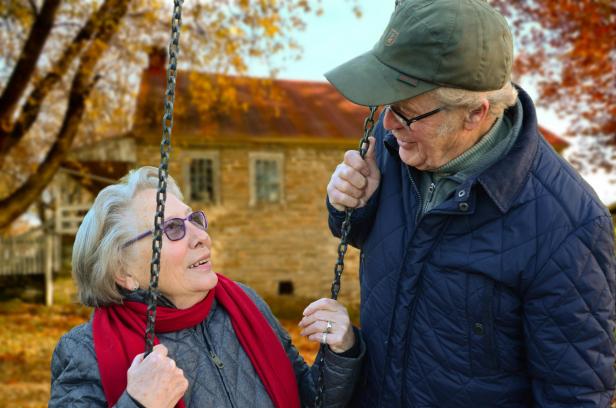
This lack of social activity for seniors can lead to weight gain, weakened muscles, and increased risk of illness or injury. And without a strong support system, they may be more reluctant to seek medical care when needed.
Risk of Early Mortality
Research has shown that loneliness can actually increase the risk of mortality in seniors. It’s just as harmful as some other risk factors, like smoking or obesity. The simple act of having a few regular social interactions can have a huge impact on a senior’s health and longevity in the long run.
How to Create Companionship for Seniors
If you’re caring for an elderly loved one, there are lots of ways to help them stay socially connected. Here are some practical ideas you can try:
Schedule Regular Visits or Calls
One of the easiest ways to prevent isolation is to make sure you’re checking in regularly. If you can’t visit in person, try calling or using video chat to stay connected.
Even a short phone call can help lift someone’s spirits and remind them that they’re not alone. If possible, set up regular “virtual visits” through Zoom or FaceTime, so they have something to look forward to each week. This can make them feel loved and cared for.
Encourage Participation in Social Activities
There are often community events or programs designed for seniors that can help them stay engaged. Many local community centers offer:
- Senior fitness classes (like gentle yoga or walking groups)
- Book clubs or art classes
- Social events like tea parties, game nights, or craft sessions
Joining a group or attending a regular event can provide seniors with a sense of belonging and help them make new friends. Look into what’s available in your area, and encourage your loved one to try something new!
Involve Them in Family Activities
Involving family is a great way to create companionship for seniors and it’s easy to get seniors involved in family activities. Whether it’s a holiday dinner, a birthday party, or just a weekend gathering, make sure to include your loved one.
Organize family movie nights or plan simple outings that they can be part of. It’s a great way to help them feel loved and appreciated.
Consider Pet Therapy
Pets can be wonderful companions. They provide comfort, reduce stress, and can even encourage physical activity. If your senior loved one likes pets or is able to care for a pet, consider adopting one or arranging for therapy animals to visit.
Many communities offer pet therapy programs where trained animals visit hospitals and senior homes to provide companionship.
Hire a Companion or Caregiver
If you can’t always be there, hiring a companion or caregiver might be a great option. Professional caregivers not only help with daily tasks but also provide companionship.
Many caregivers are trained to engage seniors in activities, keep them company, and offer emotional support. This can be a huge relief for families who can’t always be there in person but want their loved one to feel connected and cared for. You can also always check in either via calls or visits at intervals, alongside hiring a caregiver.
Use Technology to Stay Connected
In today’s world, technology can be a real lifeline. If your loved one is comfortable with it, set up devices like smartphones, tablets, or even smart speakers that allow them to connect with family and friends.
Video calls, online games, or virtual events can provide a way to engage with others when in-person interactions aren’t possible.
How to Create a Socially Engaged Environment at Home
If your elderly loved one is spending more time at home, consider creating a space that encourages socializing. Here are a few tips:
- Designate a Social Space: Set up a comfortable, well-lit area where visitors can sit and chat. Make it inviting by adding cozy furniture or a table for snacks and drinks.
- Interactive Hobbies: Consider introducing activities that can be done alone or with others, like gardening, crafting, or listening to music. These activities can bring people together and keep the mind engaged.
- Display Family Photos: Surround your loved one with pictures of family members and close friends. These visual reminders of connection can help encourage conversations and memories.
Conclusion
Socialization and companionship are key to helping seniors live their best lives. Staying connected with others has a huge impact on their mental, emotional, and physical well-being. If you’re a caregiver or family member, take the time to provide opportunities for your loved one to engage with others whether through phone calls, visits, or community activities. The benefits will be felt far beyond just the moment.
When you’re intentional about keeping your loved one socially engaged, you can help them lead a richer, healthier, and happier life. So, take a moment to reach out, schedule that next visit, or invite your loved one to join a local activity, they’ll appreciate it more than you know.
If you’re looking for professional companionship and care services, True Affinity Care is here to help. We offer personalized care and companionship for seniors, ensuring they’re always surrounded by people who care about them and their wellbeing.


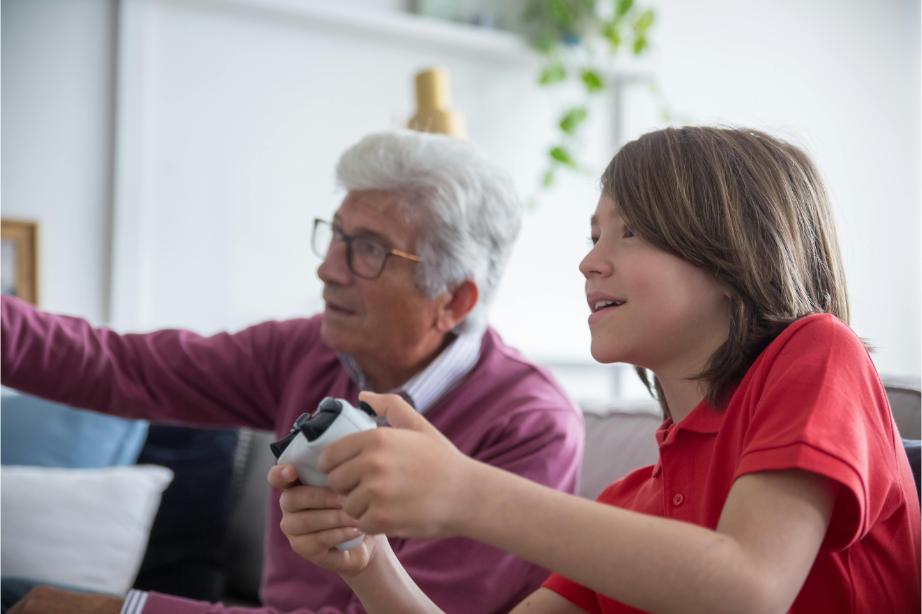
[…] Companionship is essential for emotional health and cognitive well-being. […]